
Platelet-Rich Plasma (PRP) therapy for hair restoration is a rapidly growing and highly profitable treatment for UK aesthetic clinics. This guide provides a comprehensive overview of the business opportunity, from equipment and training to patient marketing and profitability.
Platelet-Rich Plasma (PRP) therapy for hair restoration is a rapidly growing and highly profitable treatment for UK aesthetic clinics. This guide provides a comprehensive overview of the business opportunity, from equipment and training to patient marketing and profitability.
Understanding the PRP Opportunity
PRP therapy is a non-surgical procedure that uses a patient's own blood plasma, enriched with platelets, to stimulate hair growth. It's a natural and effective solution for androgenetic alopecia (male and female pattern baldness) and other forms of hair thinning. For clinic owners, it represents a high-demand, high-margin service with relatively low setup costs.
Equipment and Consumables: Your Initial Investment
The primary equipment for PRP is a centrifuge, which separates the platelet-rich plasma from the blood. You will also need a regular supply of PRP kits, which contain the necessary tubes and needles for blood collection and injection.
Centrifuges
A reliable, medical-grade centrifuge is a critical investment. Look for models that are specifically designed for PRP preparation, ensuring optimal platelet concentration. Prices can vary, but a quality machine is essential for consistent results and patient safety.
PRP Kits
PRP kits are single-use and a recurring operational cost. It's crucial to use CE-marked, high-quality kits to ensure sterility and efficacy. Costs per kit can vary based on the supplier and the volume of your order.
| Equipment/Consumable | Estimated Cost (UK) | Key Considerations |
|---|---|---|
| Medical-Grade Centrifuge | £500 - £2,000 | Look for fixed-angle rotors and specific PRP settings. |
| PRP Kits (per treatment) | £40 - £100 | CE-marked, sterile, and from a reputable supplier. |
| Phlebotomy Supplies | £5 - £10 per patient | Needles, syringes, alcohol wipes, etc. |
Training Pathways and Treatment Protocols
Proper training is essential for delivering safe and effective PRP treatments. In the UK, several reputable training providers offer courses specifically for medical professionals. These courses cover the science of PRP, phlebotomy, injection techniques, and patient management.
Treatment Protocols
A standard PRP hair restoration protocol typically involves three sessions spaced four to six weeks apart, followed by maintenance sessions every six to twelve months. Each session takes approximately 60-90 minutes. It's important to establish a clear protocol in your clinic to ensure consistency and manage patient expectations.
Marketing PRP to Your Target Audience
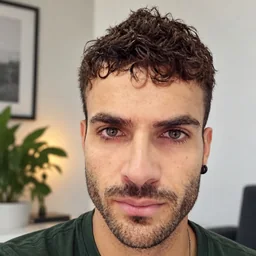
The primary market for PRP hair restoration is individuals experiencing hair thinning or loss. This includes a significant male demographic, which requires a tailored marketing approach.
Marketing to Male Patients
Marketing to men requires a different strategy than marketing to women. Focus on discretion, results, and the scientific evidence behind the treatment. Use targeted digital advertising on platforms like Google and Facebook, and consider creating a dedicated section on your website for male aesthetics. For more on this, see our guide to marketing male aesthetics.
Combining Treatments
PRP can be effectively combined with other treatments to enhance results and increase revenue. Consider offering packages that include PRP with microneedling, LED therapy, or as a post-hair transplant treatment to improve graft survival and healing.
Pricing Strategies and Return on Investment
Pricing for PRP hair restoration in the UK typically ranges from £250 to £500 per session. A course of three treatments is often sold as a package for £750 to £1,500. Your pricing should reflect your clinic's brand positioning, location, and the expertise of your practitioners.
Calculating Your ROI
The return on investment for PRP is attractive due to the relatively low consumable costs. Once you have covered the initial investment in a centrifuge, the profit margin on each treatment is substantial. To learn more about profitable treatments, read our guide on the best aesthetic treatments for revenue.
Frequently Asked Questions
Is PRP for hair loss a painful procedure?
The procedure involves injections into the scalp, so some discomfort is to be expected. However, a topical anaesthetic is typically applied before the treatment to minimise pain. Most patients report a mild, temporary discomfort during the injections.
How long does it take to see results from PRP hair treatment?
Results from PRP are not immediate. Patients typically begin to notice a reduction in hair shedding within a few weeks, with new hair growth and increased thickness becoming visible after three to six months. Results continue to improve over the course of a year.
Who is an ideal candidate for PRP hair restoration?
The ideal candidate for PRP is someone in the early stages of hair loss or with areas of thinning hair. It is effective for both men and women. It is less effective for individuals who are completely bald, as the treatment works by stimulating existing but dormant hair follicles.
Are there any side effects or risks with PRP?
Since PRP uses the patient's own blood, the risk of allergic reaction or infection is very low. The most common side effects are temporary and include mild swelling, redness, and tenderness at the injection sites. These typically resolve within 48 hours.
How does PRP compare to other hair loss treatments like minoxidil or finasteride?
PRP is a natural, non-surgical option that can be used as a standalone treatment or in combination with other therapies like minoxidil or finasteride. Unlike medications that require daily use and can have systemic side effects, PRP treatments are intermittent and localised to the scalp.
Looking for specialist SEO in your area? We provide location-specific digital marketing for aesthetic clinics across the UK. View our London, Liverpool, Newcastle, and Nottingham clinic SEO pages.
Need help with your clinic's social media? Our specialist social media marketing service builds engaged audiences and converts followers into patients for UK aesthetic clinics.
Launching a new clinic? Our pre-launch digital presence service builds your complete digital ecosystem before opening day: so you launch with patients already waiting.